I typically operate on a tight 2.5 to 3-week turnaround, from concept to final animated delivery on most micro-video projects. To meet that deadline without sacrificing quality, I design my scenes to be clean and straightforward—keeping the visual footprint simple so the production phase moves quickly.
Over time, I've learned that flashy motion rarely serves the purpose of learning videos. What might appear as a basic, static frame can come to life with proper timing, rhythmic pacing, and smooth transitions. In this context, the clock isn't just a limitation—it's a motivator. It forces me to strip away the unnecessary and focus entirely on what matters most: delivering the core idea with clarity and impact.
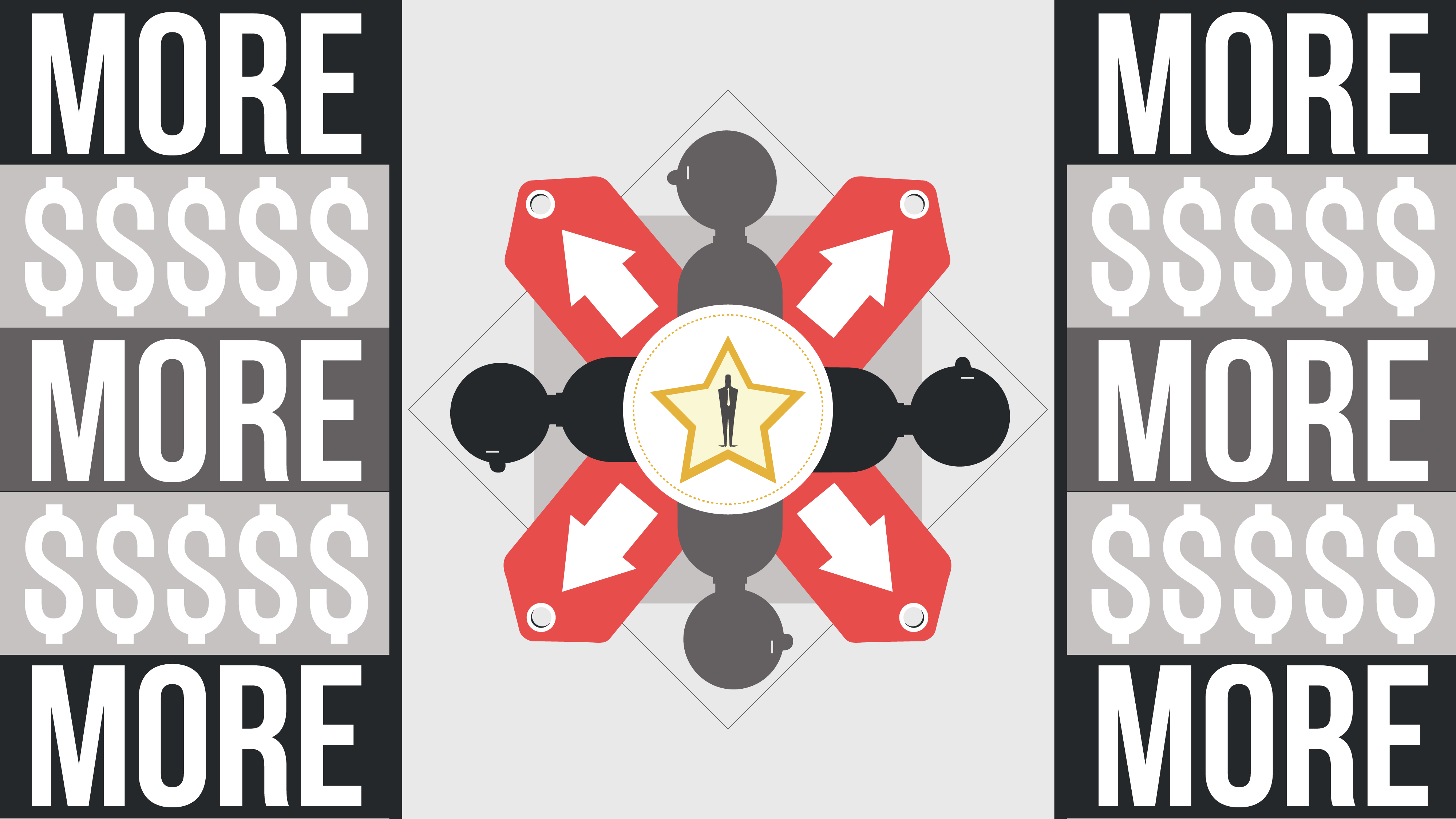
visuals of the Begining storyboard sequence

Paul, a sales manager, oversees a team that’s below goal. So he tells them, “We have two priorities: Get more business from existing customers.
And find new customers.

The bottom line: Make more calls. Get more meetings. Close more sales.”

The team responds. Customer contacts shoot up 20%. Pipeline activity and deals closed also accelerate. For Paul, things could not be going better.
Except for one thing. Revenue has actually gone down.
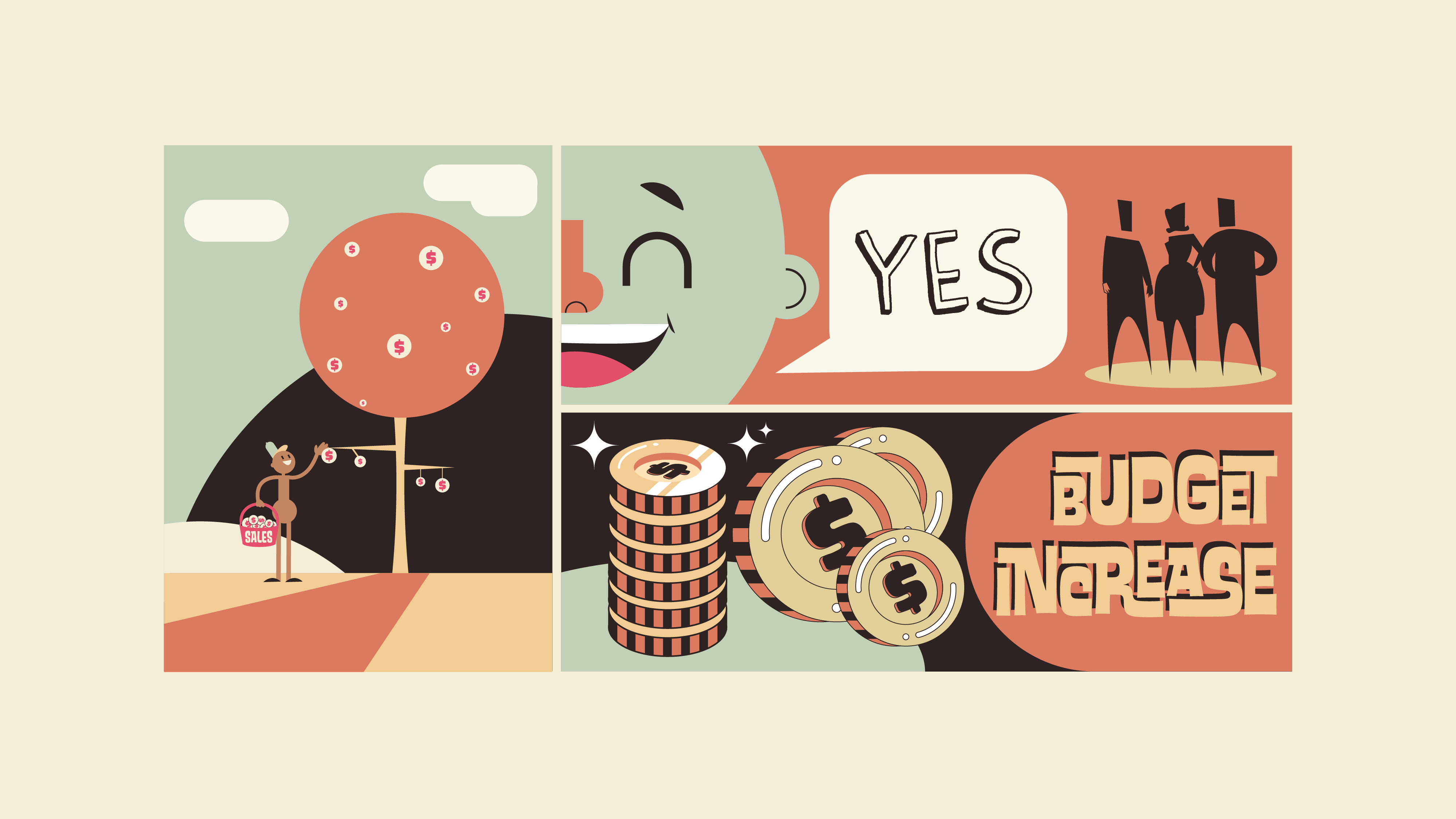
Some style frame examples
No leads. No clarity. Just pressure.

Low hanging fruit & easy sales wins.
Sales Calls

Low hanging fruit & easy sales wins.
sales manager overseeing team to find new customers.
No leads. No clarity. Just pressure.